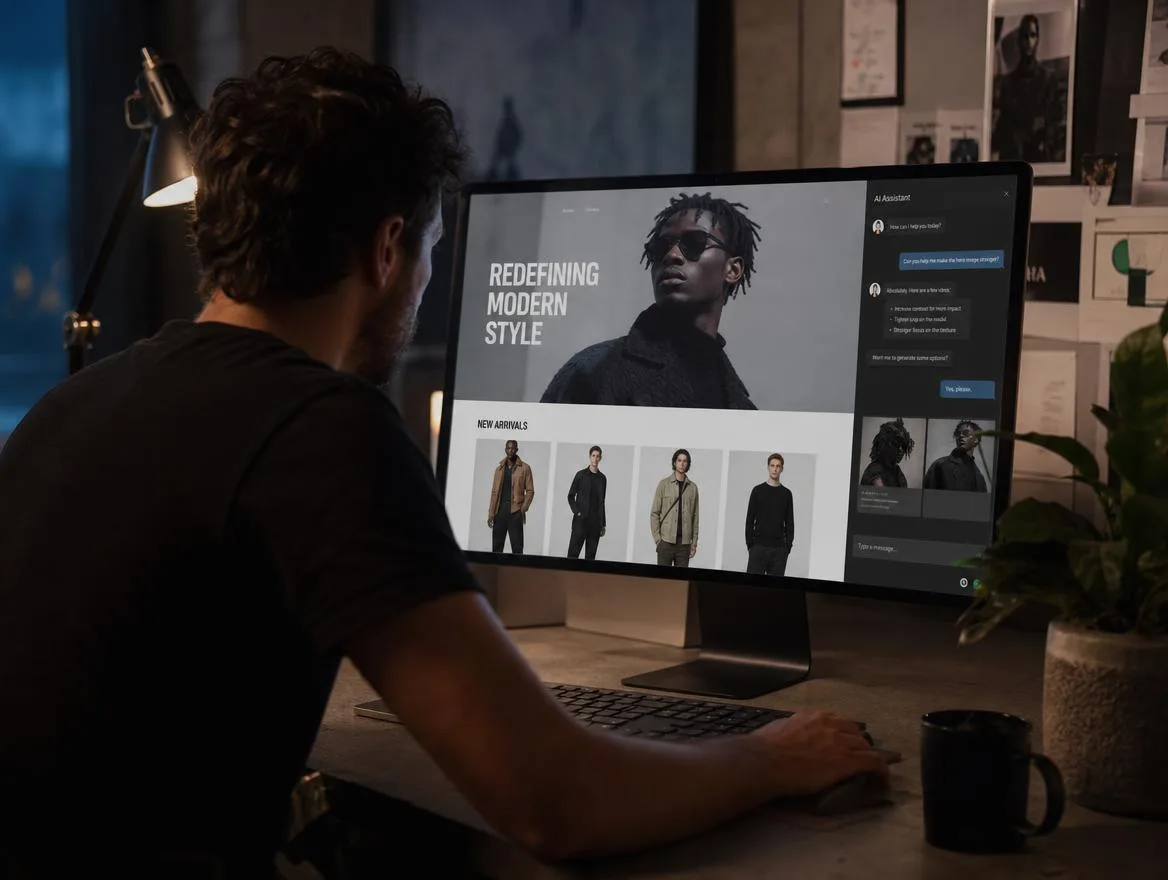
AI video has moved from demo to production. A short fashion film, a concept for a pitch, twenty variations of an ad: work that used to take weeks can now be explored in days. It is also easy to get wrong. This is how we use it, and where we don't.
What AI video is good at
- 01
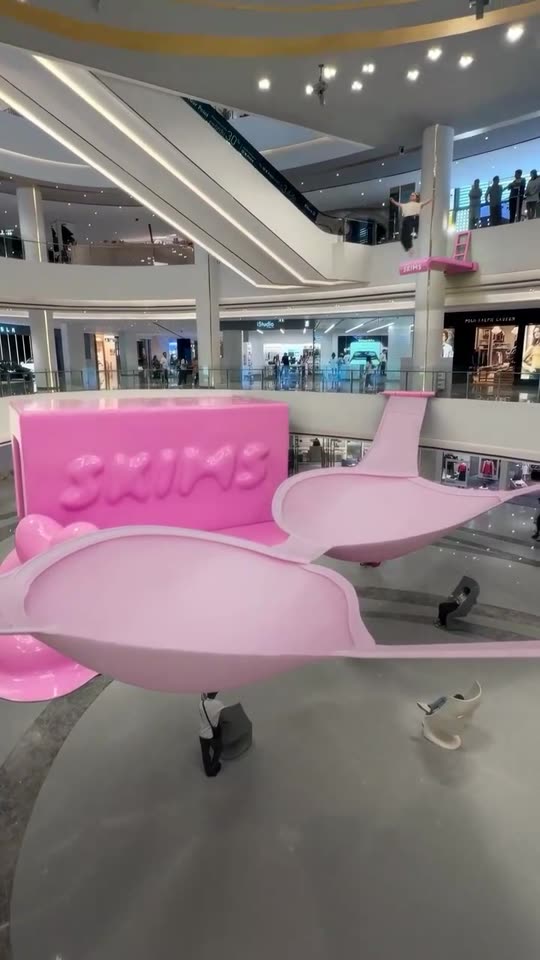
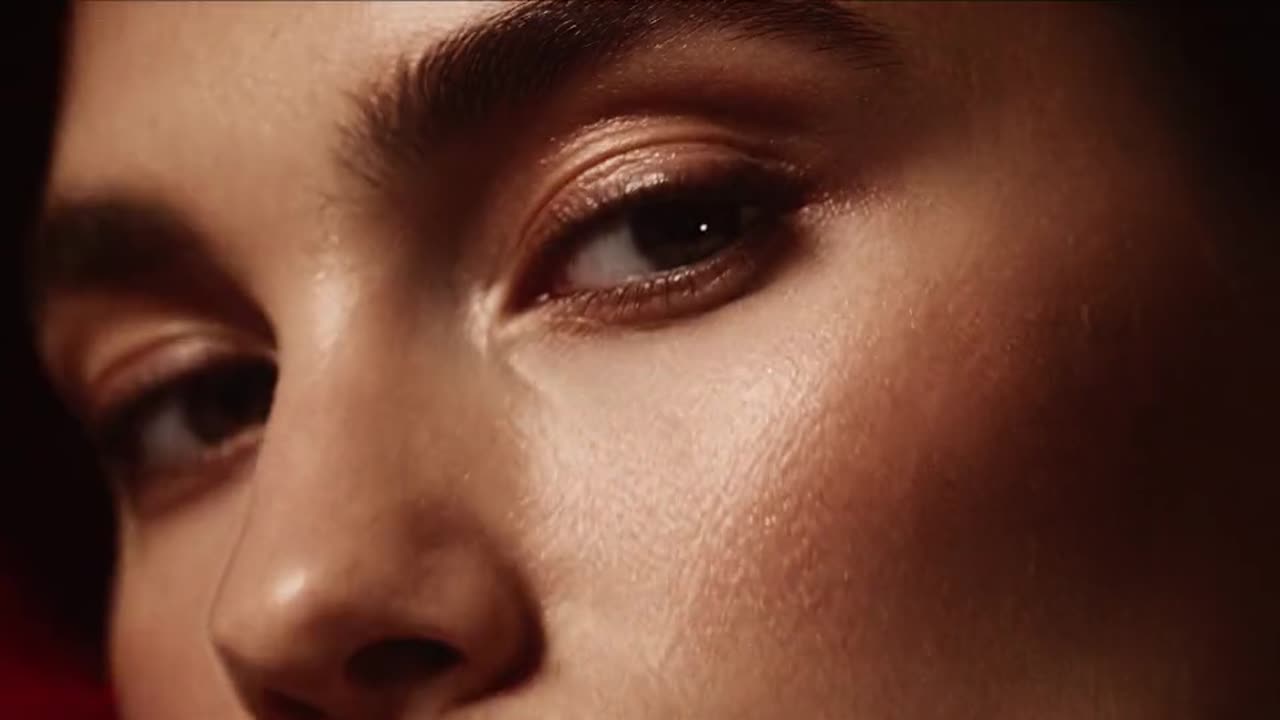
Mood and worlds. Locations, light and atmosphere that would be expensive to build or travel to.
- 02
Speed of exploration. Testing several directions before committing a budget.
- 03
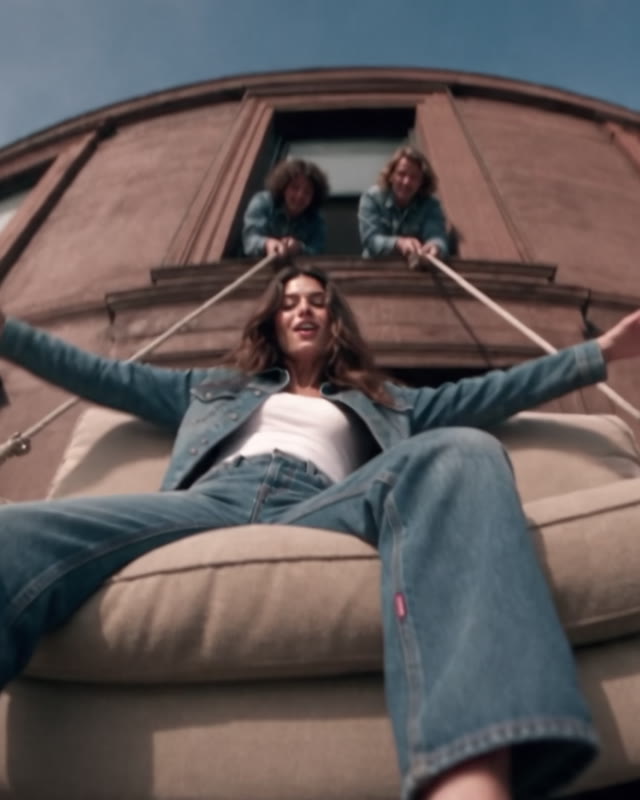
Variations for ads. Many versions of a hook for paid social, so the data picks the winner.
- 04
Concepts for pitches and storyboards. Showing a client the film before it exists.
Where it still breaks
Exact products. A bottle, a sneaker or a logo has to be right in every frame, and AI models still drift. Continuity across shots: the same person, the same outfit, the same room. And hands, text and fine mechanics. That is why we pair AI with 3D: the product is built in CGI so it is always correct, and AI does the world around it.
How a hybrid film is made
We start with the idea and a storyboard. Stills are generated and art-directed until the look is right. The product is rendered in 3D or filmed for real. Shots are animated, then cut, graded and sound-designed by hand, because the edit is still what makes a film feel human.
Honesty
We tag AI work as AI on our Work page, and the films made without generative AI carry a No AI stamp. Brands should know what they are buying, and audiences increasingly care.
Questions
Is AI video cheaper than a shoot?
Often, for mood, worlds and variations. For exact products and long continuity, a hybrid with CGI or real footage is usually better value.
Do you make AI video for US brands?
Yes. We work with brands in the US, Europe and Asia.
AI video
Want a film like this? We plan it, make it and get it seen, from Copenhagen, Singapore and the US.